17 results found rail track
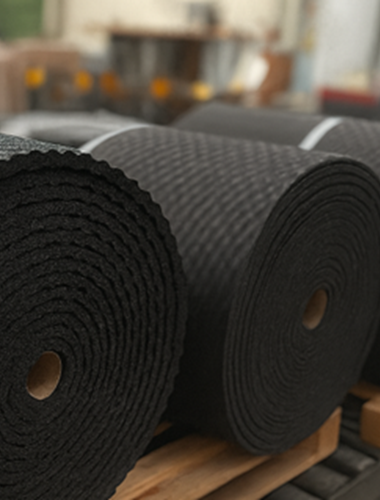
How Amorim Cork Solutions is Reinventing Materials Innovation Through the iCork Factory
Next-Generation Track Materials for Rail Systems

Cork–Rubber Rail Pads for High-Performance Track Infrastructure
As railways around the world push for higher durability, reduced noise, and lower environmental impact, one key component quietly plays a central role: the rail pad.


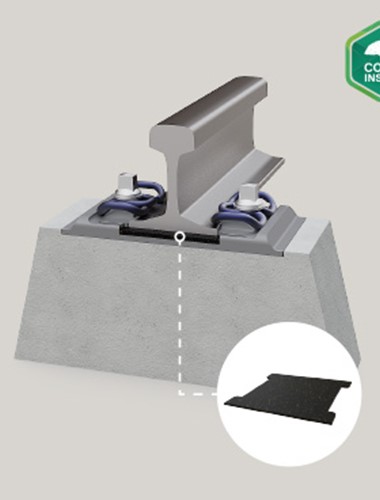
Amorim Rail
Advanced resilient solutions engineered to control vibration, reduce rolling noise and enhance long-term track performance across heavy rail, metro and light rail networks.

Material solutions for railway systems
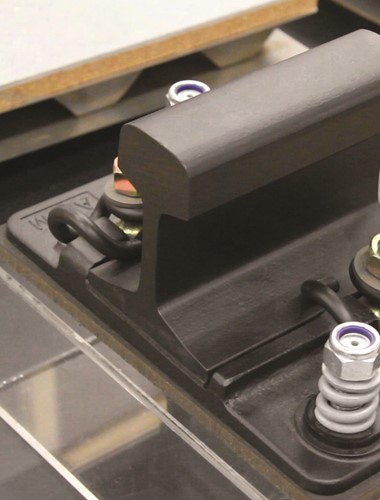
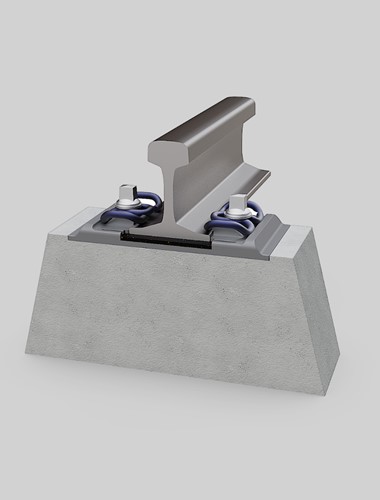
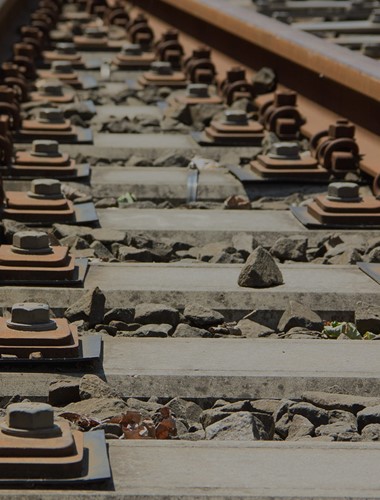
Railcork product portfolio is designed for use as rail pads and baseplate pads, available in a wide variety of thicknesses - providing different degrees of impact attenuation, for light and heavy rail applications, in slab and ballast track, used as well in special track works such as turnouts, crossings and crossovers…
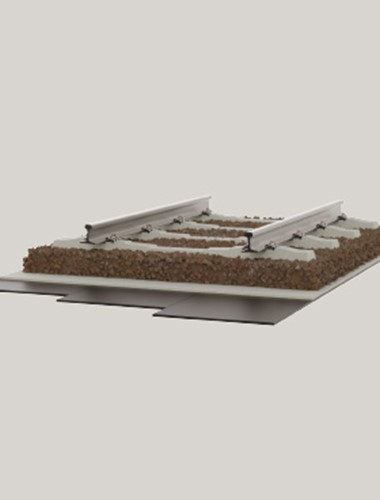
Compliance with International Standards
Amorim Rail Under Ballast Mats are tested according to EN 17282:2020 and DIN 45673-5:2010, demonstrating compliance with internationally recognised performance requirements for resilient elements in ballasted track systems.

Beyond Fastening Systems: Cork in Rail Interiors
Amorim Cork Solutions’ expertise extends far beyond track-level applications. Their high-performance cork composite materials are used throughout rail vehicles to enhance side walls and ceilings, doors and internal partitions, flooring and trims and interior accessories. These solutions provide excellent impact resista…
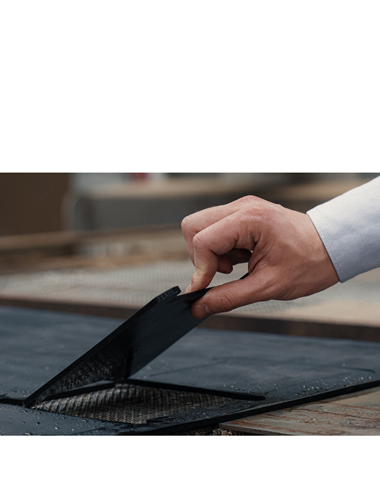
Engineering Materials for Modern Railway Infrastructure
Resilient components such as rail pads, baseplate pads, under ballast mats, floating slab mats and precast slab mats play a key role in optimizing load distribution, controlling track stiffness and reducing the transmission of noise and vibration throughout the infrastructure. Modern railway materials are expected to w…
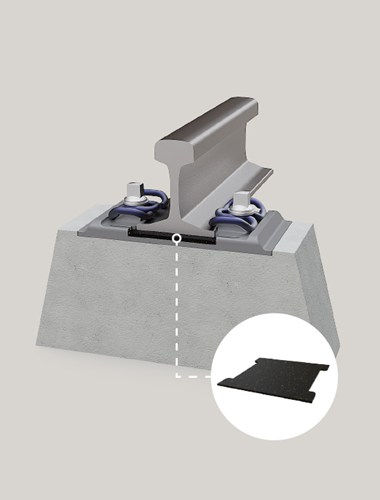
Rail Pads
Rail pads are elastic components installed between the rail and the sleeper, designed to transfer loads while filtering high-frequency forces and reducing stress on track structure. They help reduce vibration and structure-borne noise, protect concrete sleepers against crack development and enhance the long-term durabi…