Materials & Applications

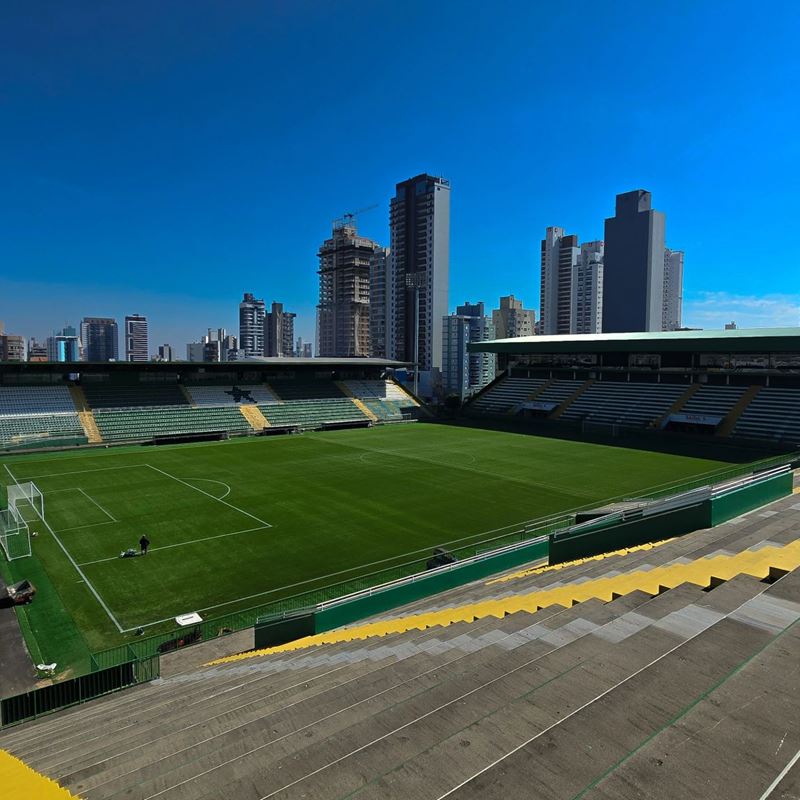
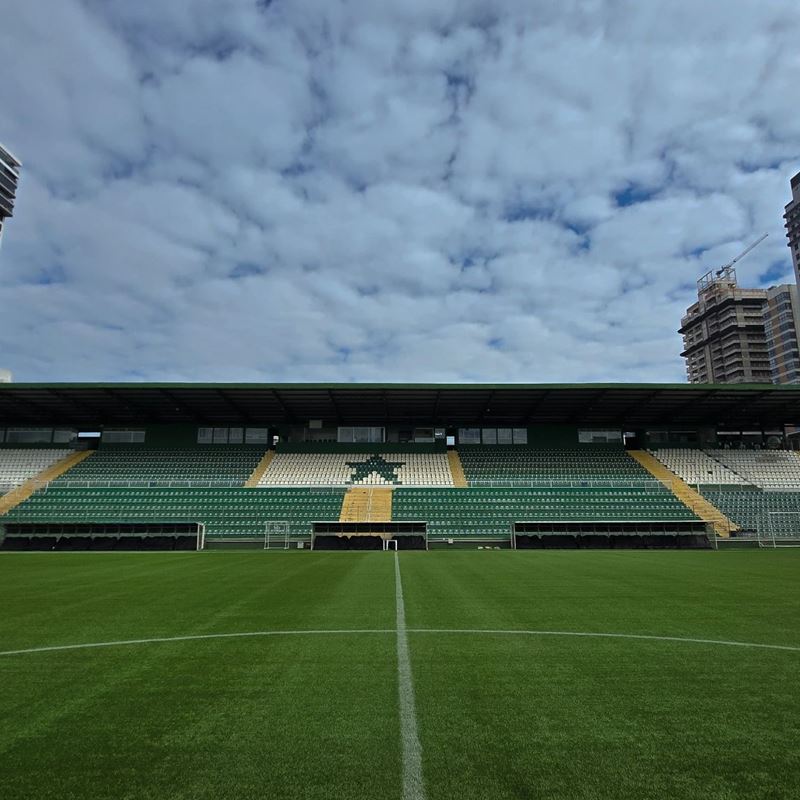
Arena Condá Stadium, Brazil

Amorim Nature infill at Arena Condá

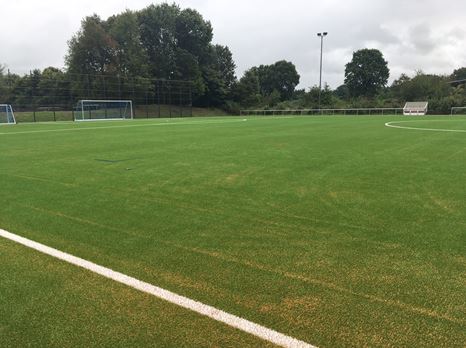
Cork infill application in high-performance artificial turf system. Case Studies

Project overview

Amorim Sports partnered with EngeGlobal on the installation of a high-performance artificial turf system at Arena Condá in Chapecó, Santa Catarina, Brazil. The project uses Amorim Nature 190, a natural cork infill developed for demanding sports environments where player comfort, surface consistency, and temperature management are key performance requirements.

The system was designed to meet international football standards while supporting improved environmental performance in a warm-climate context.

Performance Requirements in a Warm-Climate Environment

Artificial turf systems in markets such as Brazil are exposed to intense solar radiation and frequent use. For this project, the infill solution needed to maintain consistent playing characteristics under elevated surface temperatures while supporting player comfort and safety.


Compliance with international standards and alignment with sustainability objectives were also key considerations in the material selection process, with particular focus on surface temperature behavior.
  • Cork Infill as a Technical Response

    Amorim Nature 190 was specified as the natural infill for the system. Developed for high-performance sports applications, the material supports shock absorption and contributes to a more consistent and comfortable playing surface.


    Its natural thermal insulation properties help moderate surface temperature under high solar exposure, improving playability in warm conditions. The material is REACH-compliant and designed as an alternative to conventional synthetic infills, with no added microplastics.

    1752230721096
  • Environmental Contribution and Long-Term Value

    Beyond on-field performance, Amorim Nature 190 contributes to the environmental profile of the installation.


    An independent Life Cycle Assessment conducted by Itecons, in accordance with EN ISO 14040 and 14044 (cradle-to-gate, A1–A3), confirmed a carbon footprint of –1.77 kg CO₂ eq. per kilogram of product.


    This result reflects cork’s ability to store carbon during its lifecycle, supporting a reduction in the overall carbon footprint of sports infrastructure projects.

    1752230730659

Main attributes of cork infills

Sport Surfaces

Infills E-book

Do you know how to minimize the environmental impact of artificial turf systems?

Download the eBook

Mockup 7 2000X1351

Would you like to know more about this subject?

Let us know your details and we'll get back to you.